A Guide for Meeting Planners

Not all generational speakers solve the same problem.

Use this guide to evaluate fit, depth, customization, video proof, and whether a speaker gives your audience practical tools or only broad observations.

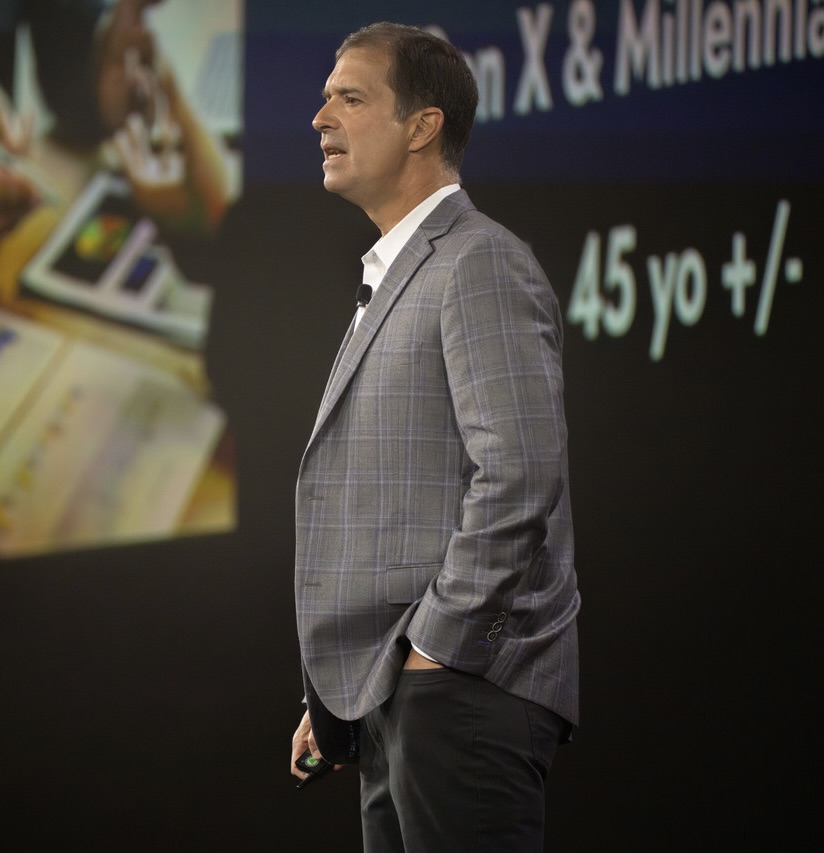
Cam Marston delivering a generational keynote on stage

25+ years • 457 client organizations • 29.5% repeat-client rate • Six books • 402-episode podcast

How to Choose

What separates a useful generational keynote from a forgettable one

The generational speaker category is crowded. Bureau sites list dozens of names. Conference committees face real pressure to pick someone who will land — with a diverse audience, on a tight schedule, in front of people who have heard a lot of generational talks before.

Most planners make the selection decision based on fee, availability, and name recognition. The planners who get the best outcomes also ask four harder questions — about customization, proof, practical value, and fit. This guide covers all four.

Evaluation Criteria

Four questions worth asking before you book

1. Does the speaker actually customize — or just say they do?

Almost every speaker bio includes the word "customized." The question is what that means in practice. A speaker who adds your logo to a slide deck is not customizing. A speaker who changes the stories, examples, data points, and industry context to match your audience is.

The test: ask for a specific example of how they adapted a presentation for an audience similar to yours. Vague answers ("I always tailor my content to the room") are a signal. Specific answers ("When I spoke to financial advisors at MDRT, I restructured the segment on Millennial clients to focus on the wealth transfer conversation instead of digital onboarding") are not.

Cam's pre-event process includes a discovery call with the planner, a review of the organization's current workforce or client challenges, and specific story and data swaps built for the audience's industry and priorities.

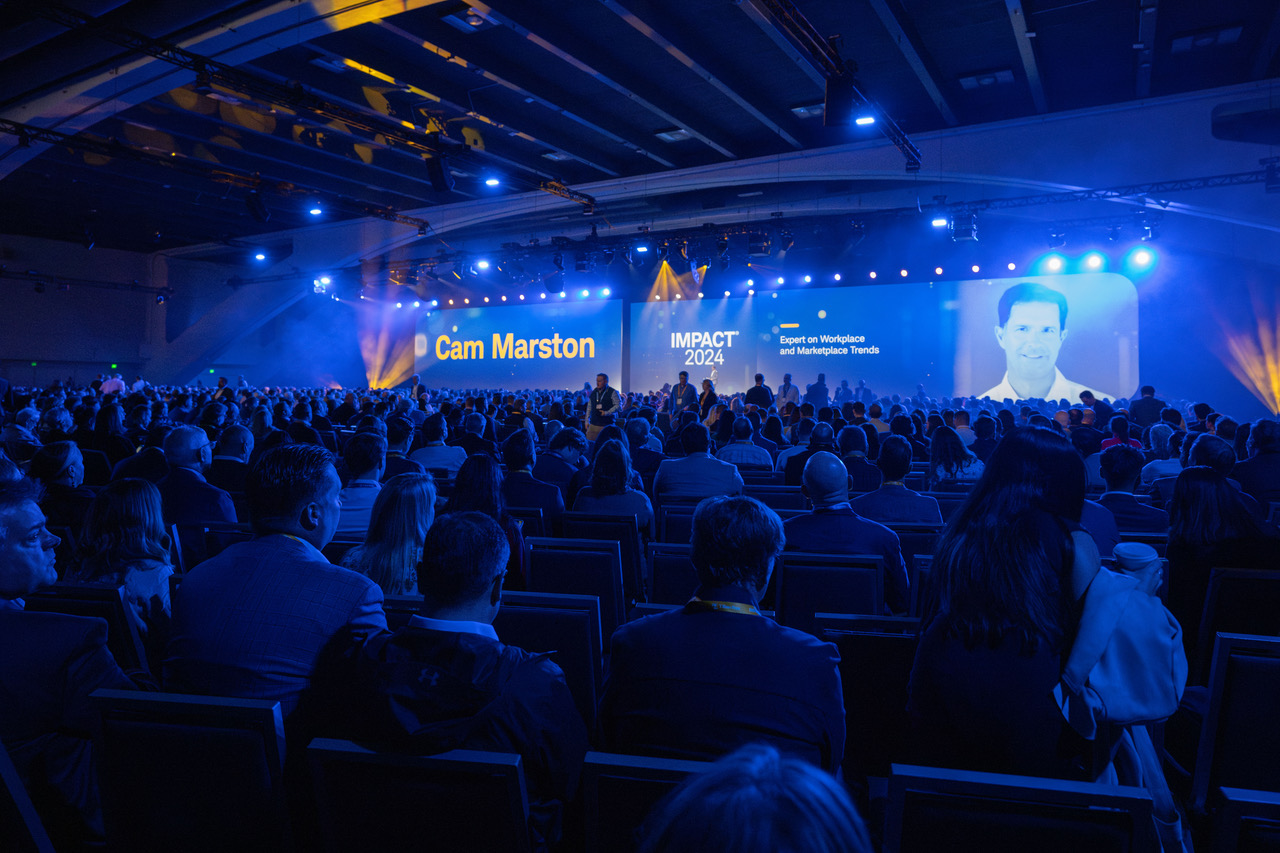
Cam Marston presenting to a conference audience

2. Watch the video. All of it.

A well-cut two-minute sizzle reel is marketing, not evidence. It will always show the speaker's best 15-second moments. Watch at least 10 consecutive minutes of live presentation footage — ideally 20 — and evaluate three things:

Engagement: Is the room paying attention, or are people checking phones? A good generational keynote should hold a 500-person ballroom for 60 minutes without losing the back rows.

Substance: Is the speaker saying things the audience couldn't have Googled? Or is it a loop of "Boomers value loyalty, Millennials want feedback"? The best talks include data, audience-specific examples, and something the room genuinely hadn't heard before.

Humor: Generational keynotes work because they let an audience laugh at themselves — at their own assumptions about the people they work with. A speaker who can generate that without resorting to generational stereotypes is rare. Watch for whether the humor lands or whether it makes the room uncomfortable.

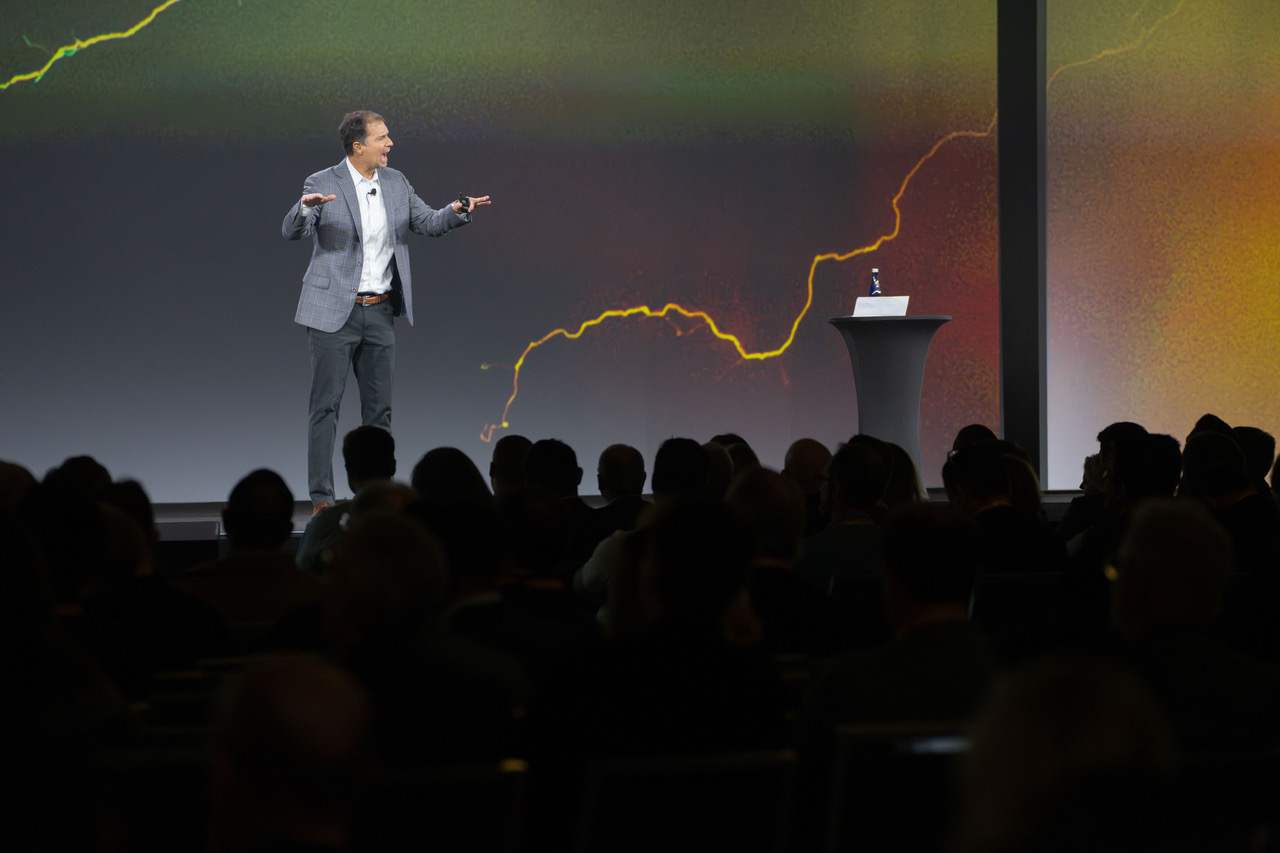
Cam Marston on stage

3. Look at repeat bookings, not just client names.

A long client list is a starting point. It tells you a speaker has worked at scale. It does not tell you whether those clients came back.

Repeat bookings are a harder signal to manufacture and a better proxy for actual audience satisfaction. An organization that books the same speaker three or four times across different audiences, different years, and different event formats is giving you evidence that the content holds up beyond a single event.

Cam's client data: 29.5% formal repeat-client rate, 54.3% of clients have referred another organization, 774 total engagements across 457 client organizations. The financial-services vertical alone shows a 44.9% repeat rate across 158 client relationships — the kind of number that reflects both audience satisfaction and content that stays current as the generational landscape changes.

Cam Marston keynote to a large audience

4. Will the audience leave with something they can use on Monday?

The audience's job does not pause for your event. The most useful generational keynotes give people specific, concrete language they can use in the conversations they're already having — with a Gen Z direct report who pushes back on feedback, a Boomer client who distrusts online communication, a Millennial colleague who seems disengaged.

A keynote that explains why generational differences exist is interesting. A keynote that gives a manager the three specific phrases to use in a difficult conversation with a younger employee is useful. The planner's question to ask: what will attendees be able to do differently when they get back to the office?

Cam's talks are built around practical application: not just what each generation wants, but what to say, what to ask, and what to stop doing. That's the frame that produces strong audience feedback — and the kind of feedback that makes a planner look good to their committee.

Cam Marston speaking
Planner Checklist

Before you confirm the booking

✓ Watch 10+ minutes of live footage

Not a sizzle reel. Continuous live presentation footage in front of a real audience.

✓ Ask about customization specifically

Request an example of how they've adapted for an audience in your industry or with your audience's profile.

✓ Check for repeat clients

Ask whether any of their named clients have booked them more than once, and for what types of events.

✓ Read testimonials from planners, not just attendees

Planners know what the pre-event process was like, whether the speaker was operationally easy, and whether the audience feedback matched the billing.

✓ Confirm the Monday-morning test

What will attendees be able to do differently when they're back at work? If the answer is vague, the keynote probably is too.

✓ Ask about vertical experience

A speaker who has worked extensively in financial services, healthcare, or associations will land differently with those audiences than a generalist.

Focusing squarely on generational issues and bringing in Cam was a departure from the norm, but it paid off. The audience was truly engaged. It was refreshing to get a broad business perspective interwoven with the industry customization Cam provided.
Marta Monetti, Senior Vice President, Banfield Pet Hospital
Why Planners Choose Cam

The evidence behind the booking

Cam Marston has spent 25 years delivering generational keynotes to corporations, associations, HR teams, and financial-services audiences. His presentations are built for planners who need more than a recognizable name — they need an audience that leaves energized, with specific language and strategies they can apply immediately.

His client roster spans Kaiser Permanente, Charles Schwab, Fidelity, Northern Trust, RE/MAX, ESPN, Qualcomm, Warner Brothers, NASA, the U.S. Army, the American Bankers Association, and the Million Dollar Round Table, among hundreds of others. The 29.5% formal repeat-client rate and 54.3% referral rate from existing clients reflect not just audience satisfaction but the kind of operational reliability that makes a planner's job easier.

He is the author of six books on generational change, including The Gen-Savvy Financial Professional (3rd edition), and host of What's Working with Cam Marston, a 402-episode podcast on the trends shaping today's workforce and marketplace.

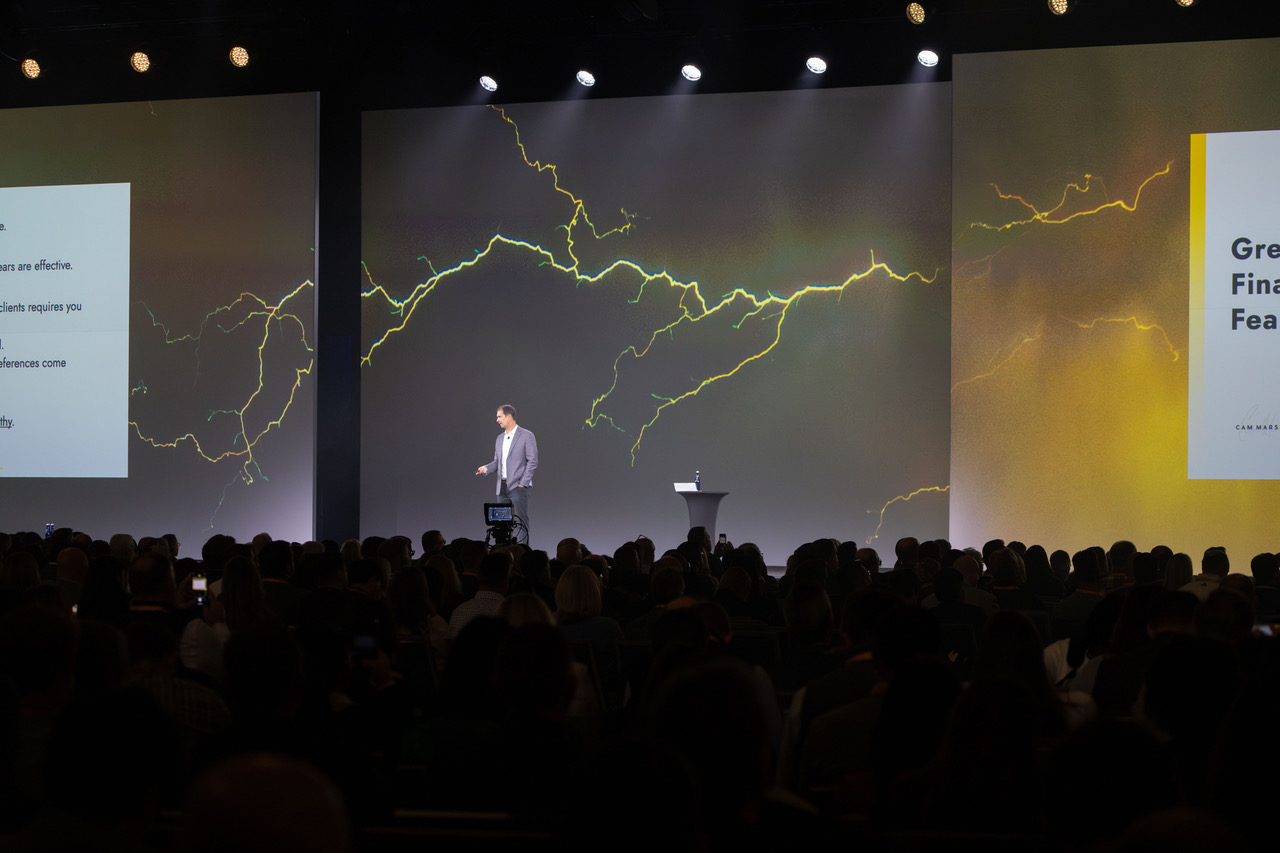
See Cam In Action

Watch Cam in Action

Common Questions

What Planners Ask

The most important factors are: whether the speaker customizes content for your specific audience and industry, whether they offer practical takeaways audiences can apply immediately, how they perform on video (watch at least 10 minutes of live footage), what their client history looks like (repeat bookings are a strong signal), and whether they have experience with audiences similar to yours.

Ask the speaker or their team three questions: What do you change when you customize for our industry? Can you share a testimonial from a meeting planner whose audience resembled ours? What will attendees be able to do differently on Monday morning? Vague answers to those three questions are a red flag.

A generational speaker focuses on the formative experiences, expectations, and communication styles of specific age cohorts — Boomers, Gen X, Millennials, Gen Z — and how those differences play out in the workplace or marketplace. A future-of-work speaker focuses on technology, automation, remote work, and structural changes to how work gets done. The topics overlap, but the lens and the audience takeaways are different.

Fees vary depending on the speaker's experience, audience size, travel requirements, and exclusivity. The most important question is not the fee itself but whether the investment produces the outcome you need: an audience that leaves with actionable insight, and a planner whose event feedback reflects well on the selection. Contact Cam's office to discuss fees for your specific event.

Related Resources

Looking for a more specific fit?

Generational Keynote Speaker

Cam's main generational keynote — workplace, leadership, and multigenerational teams.

Learn More

Financial Services Speaker

For advisors, banks, wealth firms, and financial-services leadership teams.

Learn More

Gen Z at Work

For managers and HR leaders who need practical language for a younger workforce.

Learn More

Ready to find the right fit for your event?

Check Cam's availability or download the Meeting Planner Kit to evaluate the match.